What Qualifies As A Locksmith Emergency? A Homeowner's Guide
Most people don't think about their locks until something goes wrong. A key that won't turn, a door that won't open, or the unsettling realisation that your keys are no longer where they should be — these moments tend to arrive without warning and at the least convenient times. The question that follows is often the same: does this need fixing right now, or can it wait?
That distinction matters more than it might seem. Some lock-related situations carry a genuine safety or security risk that makes immediate professional help the right call. Others are inconvenient but manageable with a scheduled appointment. Understanding the difference helps
homeowners respond with the right level of urgency and avoid either unnecessary panic or a delay that makes things worse. This guide covers the scenarios that typically qualify as true locksmith emergencies, what to do when they arise and how a professional locksmith can restore both access and security quickly.
Being Locked Out of Your Home Is More Urgent Than It May Seem
A lockout is one of the most common reasons people contact an emergency locksmith on the Sunshine Coast, and while it can feel embarrassing rather than serious, the circumstances surrounding a lockout often determine how urgent it actually is. Being locked out in mild weather with a phone and somewhere safe to wait is a frustrating inconvenience. Being locked out after dark, in poor weather, with children or pets inside or in an unfamiliar area shifts the situation into genuinely urgent territory.
Attempting to force entry yourself — through a window, door or any other means — risks property damage and can compromise the integrity of the lock or frame in ways that create a larger repair job. A licensed locksmith can regain entry without causing damage, assess the lock condition once inside and carry out any necessary lock repair on the spot if the mechanism has been compromised. The faster a lockout is resolved through professional help, the less likely it is to result in additional costs or security gaps.
A Broken Key in the Lock Needs Attention Before It Gets Worse
Keys break inside locks more often than most people expect, usually after gradual metal fatigue from repeated use or from applying sideways pressure while turning. When it happens, the instinct is often to try to extract the broken piece with a finger, a pin or whatever tool is close at hand. In most cases, this pushes the fragment deeper into the lock mechanism, making extraction more difficult and potentially damaging the cylinder in the process.
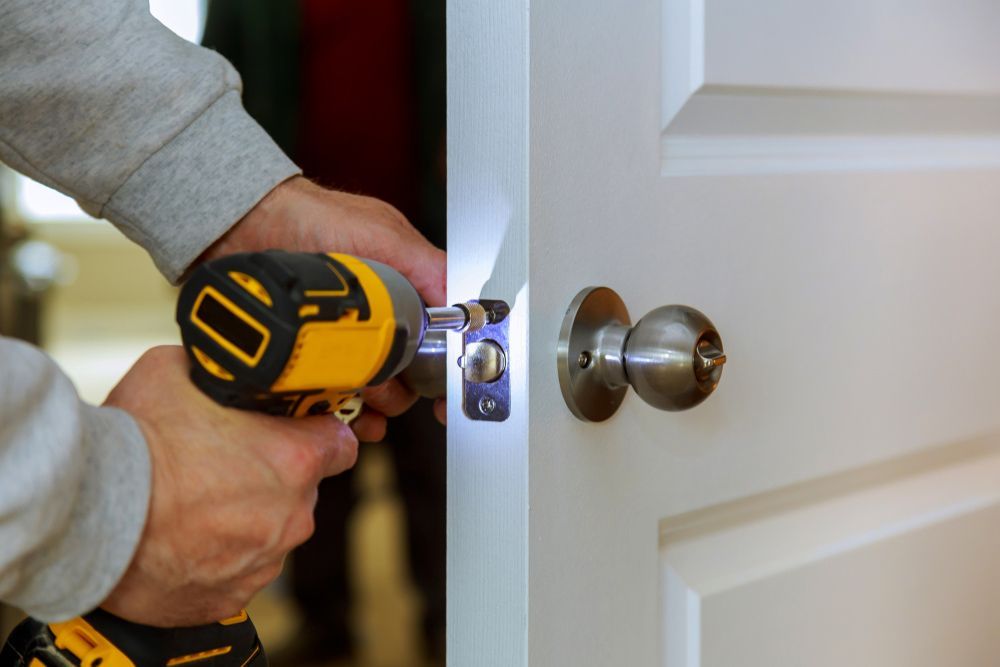
A locksmith has the tools and technique to extract a broken key cleanly without damaging the lock body. Depending on the condition of the lock after extraction, a lock repair or cylinder replacement may be needed — particularly if the break has caused internal damage. This situation qualifies as an emergency when it leaves a door unsecured or prevents access to the property entirely. Even when the door can be secured through another means, a lock with a lodged key fragment is not functioning as intended and should be addressed promptly rather than left.
Your Locks Have Been Damaged in a Break-In — What Happens Next?
A break-in or attempted forced entry is one of the clearest locksmith emergencies a homeowner can face. Beyond the immediate stress of the situation, a lock that has been forced, drilled or tampered with has almost certainly been compromised, even if the door appears to close and latch normally. Locks that have sustained damage from forced entry may no longer engage the bolt correctly, may be vulnerable to re-entry or may fail entirely without warning.
In this situation, the priorities are:
- Contacting police to report the incident and obtain a report number before any repairs are made
- Avoiding use of the damaged lock until it has been assessed by a locksmith
- Arranging emergency locksmith attendance to inspect all affected entry points and replace or repair damaged hardware
- Reviewing the security of other access points that may have been tampered with but not obviously damaged
A licensed locksmith can carry out same-day lock repair or replacement, restore the security of the property and advise on whether additional security upgrades are worth considering given the circumstances.
Lost or Stolen Keys Create a Security Risk That Shouldn't Be Left Open
Misplaced keys are an inconvenience. Stolen keys are a security breach. The distinction is important because a lost key that turns up later carries no ongoing risk, while keys that have been stolen, or lost in circumstances where someone could connect them to your address, leave your home potentially accessible to an unknown person.
When keys are stolen or lost in a way that creates genuine security concern, rekeying or replacing the affected locks is the appropriate response. Rekeying changes the internal configuration of the lock cylinder so that existing keys no longer work, without requiring full lock replacement — a cost-effective solution when the hardware itself is in good condition. If the keys were attached to a keyring with identifying information, or lost following a theft of a bag or wallet, treating the situation as an emergency and arranging prompt attention from an emergency locksmith on the Sunshine Coast is the sensible course of action.
A Jammed or Faulty Lock on an External Door Isn't a Minor Issue
A lock that's difficult to operate — stiff, intermittently unresponsive or only engaging partially — is easy to put off dealing with because it still technically works most of the time. The problem is that a lock in this condition is operating outside its design tolerances, and the point at which it fails completely is unpredictable. An external door lock that fails completely leaves a home unsecured and may leave occupants unable to exit in an emergency.
Common causes of a jammed or faulty lock include worn internal components, a misaligned strike plate, a warped door frame affecting the latch position or a cylinder that has deteriorated over time. A locksmith can diagnose the specific cause, carry out lock repair where the mechanism is salvageable and recommend replacement where the hardware has worn beyond reliable function. Addressing a failing lock before it fails entirely is always preferable to dealing with the consequences after the fact.
You've Just Moved In — Changing the Locks Is a Security Step, Not an Overreaction
Moving into a new home means inheriting the lock history of everyone who lived there before. Previous occupants, their family members, tradespeople and anyone else who was given a key during that time may still have a copy in circulation. This isn't a cause for alarm in most cases, but it is a straightforward security gap that's worth closing.
Rekeying or replacing the locks on a newly occupied property is one of the more practical things a new homeowner can do in the first weeks of moving in. It doesn't necessarily require emergency attendance, but it's a situation where prompt action makes sense, particularly for external doors, garages with internal access and any entry points that use the same key as the front door. A locksmith can assess the existing hardware and advise on whether rekeying is sufficient or whether any of the locks are due for replacement based on age or condition.
When a Lock Fails Overnight or on a Weekend, Waiting Isn't Always an Option
Lock failures don't observe business hours. A deadbolt that won't engage last thing at night, a door handle that separates from the mechanism or a lock that stops working mid-evening leaves a household in an unsecured or inaccessible position at a time when standard service providers aren't available. This is exactly the circumstance that emergency locksmith services exist to cover.
When assessing whether a situation warrants an after-hours call, the key question is whether the property can be reasonably secured without professional help until the next business day. If the answer is no because a door won't latch, a lock won't engage or an occupant is outside the property, then emergency attendance is appropriate. If the issue is a faulty lock on an internal door or a mechanism that's functioning at reduced capacity but still operational, scheduling a standard appointment for the following day is a reasonable approach.
How to Tell If Your Situation Needs Emergency Lock Repair Right Now
Not every lock issue demands immediate attention, and having a clear way to assess urgency helps avoid both unnecessary call-out costs and delays when quick action is actually needed. The situations that most consistently warrant emergency locksmith attendance share a common thread — they involve either a loss of access to the property or a compromise to its security that can't be temporarily managed.
Indicators that the situation is genuinely urgent include:
- The property cannot be secured from the outside or inside due to a lock failure
- Someone is locked out with no safe alternative waiting location available
- Keys have been stolen or lost in circumstances that create a realistic security risk
- Forced entry has occurred or been attempted, leaving lock hardware damaged
- A lock failure has left an occupant unable to exit the property safely
Situations that can typically wait for a standard appointment include a lock that's stiff but still functional, a key that's worn but still working and non-urgent rekeying or hardware upgrades.
Get Fast, Professional Help From Coast 2 Coast Locksmith
At Coast 2 Coast Locksmith, we provide emergency locksmith services on the Sunshine Coast for homeowners, property managers and landlords who need prompt, reliable assistance when lock and security issues can't wait. Whether you're locked out, dealing with damaged hardware after a break-in or facing a situation where your home's security has been compromised, our team can attend quickly, carry out lock repair or replacement on the spot and get your property secured. The Sunshine Coast's mix of coastal conditions, high-traffic rental properties and varied housing stock means lock issues come in all shapes and sizes, and we're equipped to handle them all. If you're unsure whether your situation qualifies as an emergency, give us a call and we'll help you work out the right course of action.