Why Regular Lock Servicing Prevents Emergency Callouts
A lock is one of the most frequently used mechanical components in any home. Yet most homeowners give their locks no maintenance at all until something goes wrong. Salt air, humidity and UV exposure accelerate the deterioration of mechanical components. As a locksmith Sunshine Coast properties benefit from, our approach is suited to protect against many conditions in the weather. Locks that fail tend to fail at the worst possible time, late at night, in the rain, when you are already running late.
This guide explains what regular lock servicing involves, why the Sunshine Coast environment makes it more important than in drier inland areas, and how a small maintenance habit prevents the emergency callout that nobody wants.
How Locks Fail — and Why It Rarely Happens Without Warning
Lock failure is almost never sudden. The mechanism that completely refuses to operate on a Tuesday morning has typically been deteriorating for weeks or months. The warning signs are there, a cylinder that has become stiffer to turn, a latch that does not retract as smoothly as it used to, a deadbolt that requires the door to be lifted slightly before it will throw, but they are easy to ignore when the lock is still technically working.
The internal components of a lock are precision-engineered to close tolerances. Dirt, corrosion and lack of lubrication cause those tolerances to tighten, increasing the force required to operate the mechanism. Increased operating force accelerates wear on the components, which accelerates further deterioration. The progression from "slightly stiff" to "will not operate" can happen quickly once the internal wear reaches a tipping point.
The other failure mode is key breakage. A key that breaks in a lock almost always breaks because the cylinder has become stiff and the key is being torqued beyond its design limit. The key is not the weak point, the lock condition is. A broken key in a cylinder is an emergency callout that a serviced lock prevents entirely.
What the Sunshine Coast Environment Does to Locks
Locks in coastal and subtropical environments deteriorate faster than those in drier, more temperate climates. The specific environmental factors at work on the Sunshine Coast include:
- Salt air: airborne salt particles settle on and inside locks, accelerating corrosion of the internal pins, springs and housing. Locks on external doors and gates close to the ocean are particularly affected
- High humidity: sustained humidity causes oxidation of metal components and swelling of timber door frames, which changes the alignment between the door and the strike plate and puts lateral stress on the lock mechanism
- UV exposure: ultraviolet radiation degrades the finish on lock hardware and can cause thermal expansion and contraction cycles that loosen fixings and affect mechanism tolerances
- Tropical rainfall: repeated water ingress through keyways and around cylinders washes out lubrication and introduces moisture to the internal mechanism
A lock installed on a coastal Sunshine Coast property without periodic servicing will deteriorate meaningfully faster than the same lock installed in a dry inland location. This is not a reason to avoid quality hardware, it is a reason to maintain it.
What Regular Lock Servicing Actually Involves
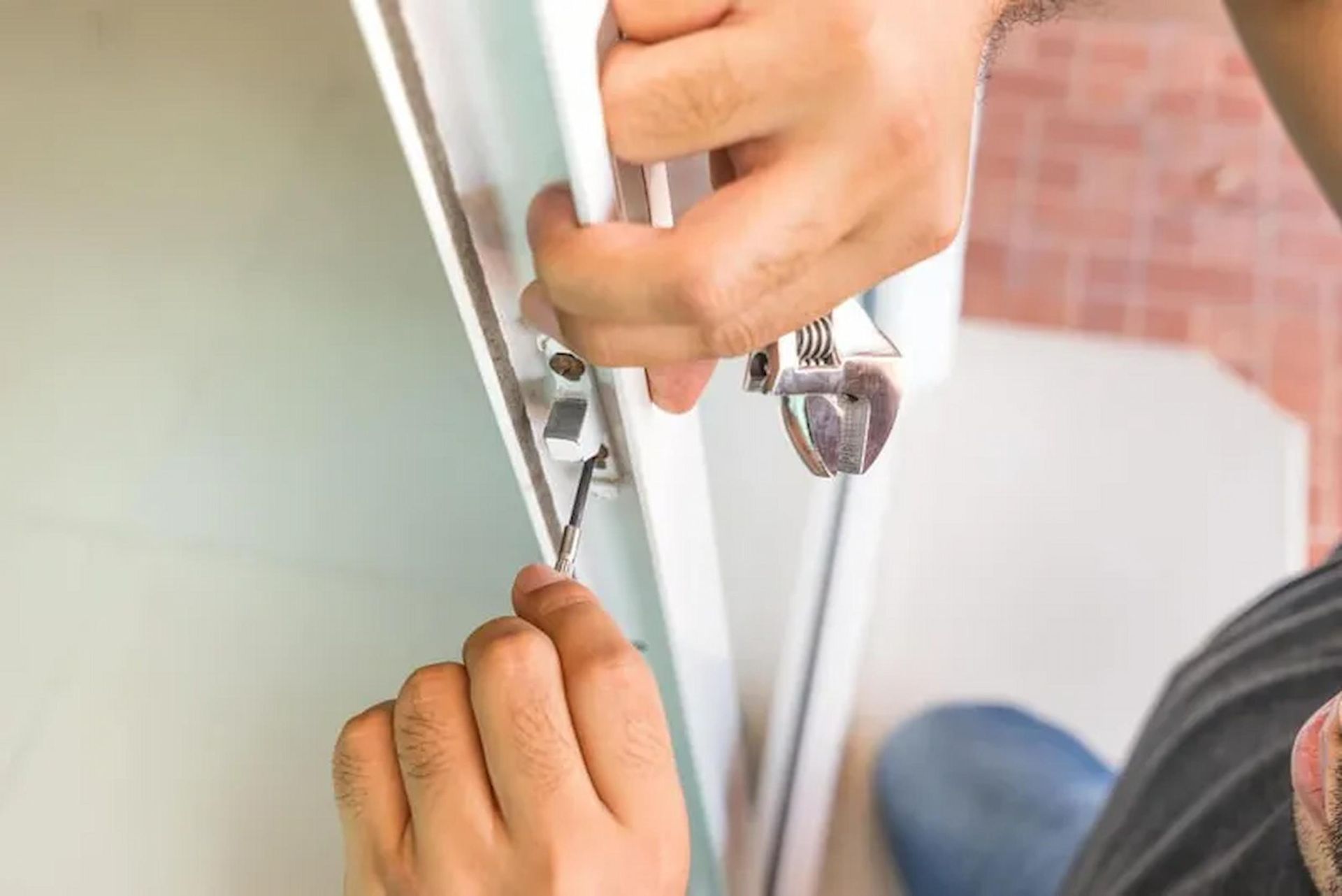
Lock servicing is not complicated, but it does require the right products and an understanding of what each part of the mechanism needs. A professional locksmith service covers:
- Cylinder cleaning: removing accumulated dust, grit and degraded lubricant from the keyway and the pin stack. Old lubricant, particularly graphite or petroleum-based products that have dried out, becomes a contaminant rather than a lubricant over time
- Lubrication with the correct product: different lock types require different lubricants. PTFE-based dry lubricants are appropriate for most pin tumbler cylinders; silicon-based lubricants suit some applications; petroleum-based lubricants are generally inappropriate for lock cylinders as they attract dirt and degrade rubber components. Using the wrong product can accelerate the deterioration it is supposed to prevent
- Mechanism inspection: checking the function of the latch, deadbolt, cam and other moving parts for signs of wear, corrosion or misalignment
- Strike plate and door alignment check: confirming that the bolt or latch is engaging the strike plate correctly and that door movement is not putting lateral stress on the mechanism
- Hardware tightening: checking and tightening handle screws, cylinder fixings and strike plate screws that have worked loose with use and thermal cycling
A serviced lock operates noticeably more smoothly and requires less force to operate, which is both more comfortable and significantly extends the service life of the mechanism.
The Warning Signs That Mean a Lock Needs Attention
Between professional service intervals, it is worth paying attention to how locks feel in daily use. Signs that a lock needs attention before the next scheduled service include:
- Stiffness when turning the key, particularly if this has developed gradually over recent weeks
- The key requiring more force than usual, or feeling as though it is catching at a point in the rotation
- A latch that does not retract or extend cleanly, or that requires the door to be in a specific position before the deadbolt will throw
- Visible corrosion or discolouration on the face of the cylinder or the handle hardware
- A lock that operates intermittently, working fine on some occasions and stiff on others, which is a sign of a developing problem that will become consistent
Any of these signs warrants a service call before the problem progresses to a lockout or a broken key.
Why Prevention Is Cheaper Than the Emergency
Emergency locksmith callouts carry a cost that routine maintenance does not. The callout itself, particularly for after-hours or weekend emergencies, costs significantly more than a scheduled service visit. If the emergency involves a broken key or a failed cylinder that requires replacement, the cost increases further.
For property managers and landlords, the equation includes the additional dimension of tenant disruption. A tenant locked out of a property at 11pm is an emergency that reflects on the property's management, and the cost is not only financial. For Airbnb and holiday rental owners, a guest locked out on arrival is a reputational problem as much as a logistical one.
Routine lock servicing, addressed as a scheduled maintenance item rather than a reactive response, keeps these situations from occurring.
How Often Should Locks Be Serviced?
The appropriate service interval depends on the lock's age, location and usage frequency. As a practical guide:
- Coastal and high-humidity properties: annual servicing for external door locks, with a check of gate and garage locks at the same time
- Standard suburban properties: every one to two years for external locks in regular use
- High-traffic properties such as rental properties and Airbnb accommodation: annual servicing, ideally timed with tenancy changes or seasonal preparations
- Older locks showing signs of wear: assess at the time of the service whether continued maintenance or replacement is the more cost-effective path
The cost of an annual service visit is a fraction of a single emergency callout. For properties with multiple external locks, the servicing cost per lock makes the maintenance approach even more straightforward economically.
Book a Lock Service on the Sunshine Coast
Coast 2 Coast Locksmiths provides residential and commercial lock servicing most of the Sunshine Coast. Whether you are due for a maintenance visit, have noticed a lock that is becoming stiff, or manage a rental or holiday property that would benefit from a scheduled servicing arrangement, our team can assess and service your locks on a visit that suits your schedule.
Contact us to book a
locksmith Sunshine Coast properties can benefit from and discuss maintenance arrangements.